
Those who are dependent on alcohol may experience more severe symptoms. Anxiety, headaches and digestive problems are milder alcohol withdrawal syndrome symptoms symptoms experienced during withdrawal, while more severe symptoms can progress to hallucinations, seizures and delirium symptoms (DTs). The severity of these physical withdrawal symptoms will depend on your overall health and level of alcohol dependence. The prevention of alcohol withdrawal centers on managing alcohol drinking and dependency. Individuals at risk should gradually reduce alcohol intake under medical supervision, using a tapering schedule and possibly medications to safely manage withdrawal symptoms.
During alcohol withdrawal, your body can become hyperactive. Some of the most common symptoms of this include:
Seeking professional help is crucial to ensuring a safe and successful recovery. Don’t hesitate to reach out for help if you or a loved one are struggling with alcohol addiction. Mild symptoms of alcohol withdrawal can be treated with medication and supportive care.
Our rehabs work with all major insurance providers
- The duration of PAWS can depend on a range of factors, including the substance you used and how frequently you used it, as well as your support system.
- Shaking in one or more areas of the body can also happen because of alcohol withdrawal, but it is not the same as DTs.
- The first goal of treatment is to keep you comfortable by managing your symptoms.
- Nursing care plans for alcohol withdrawal are an essential part of managing patients with AWS.
Symptoms and signs of AW include mild to moderate tremors, irritability, anxiety, or agitation, among others. The most severe manifestations of withdrawal include delirium tremens, hallucinations, and seizures. These happen due to marijuana addiction alcohol-induced imbalances in the brain which result in excessive neuronal activity if the alcohol is withheld 3. Overall, alcohol withdrawal can have a significant impact on an individual’s mental health.

Monarch Treatment Center
ThiamineThiamine deficiency (common in alcohol abuse) may lead to neuritis, Wernecke’s syndrome, and Korsakoff’s psychosis. Develop a trusting relationship through frequent contact being honest and nonjudgmental. Project an accepting attitude about alcoholism.Provides patient with a sense of humanness, helping to decrease paranoia and distrust. Patients will be able to detect the biased or condescending attitudes of caregivers.
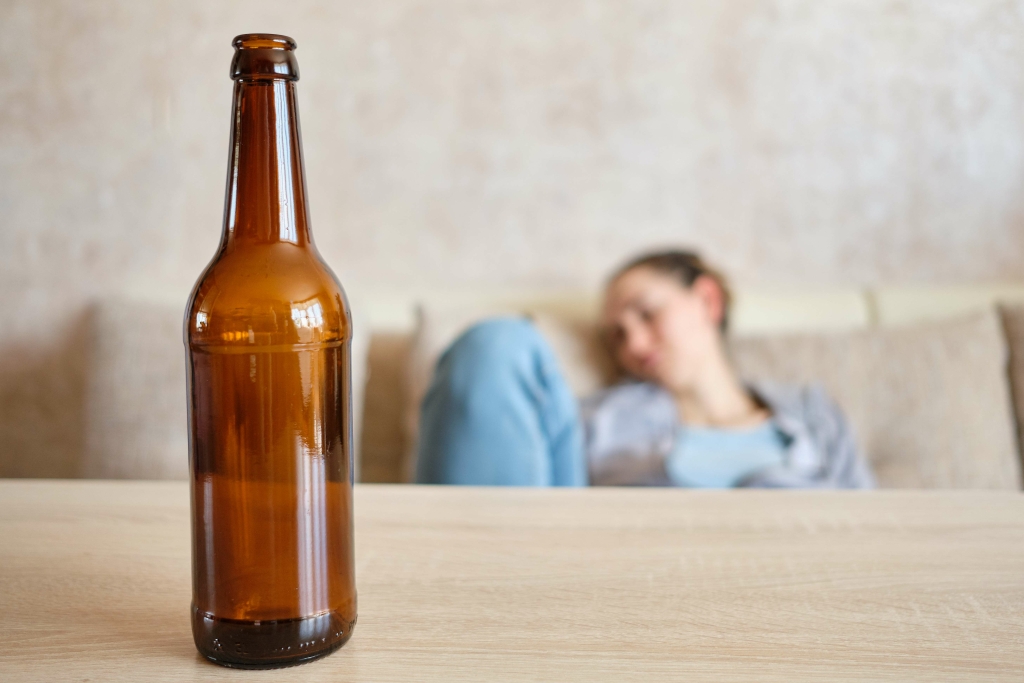
Alcohol withdrawal may range from a mild and uncomfortable disorder to a serious, life-threatening condition. Remember that getting help for alcohol addiction is an ongoing process that requires commitment and dedication. If you regularly take an addictive substance, reach out to a healthcare provider for advice before stopping. Some symptoms of withdrawal occur with most substances, while others can vary by substance. The severity of the signs and symptoms may depend on how much of the substance was taken and how long it was used.
- The longer a person has been dependant on alcohol, the more likely they will experience alcohol withdrawal syndrome.
- Contact your state’s mental health/substance use agency for more guidance on how to afford rehab.
- Contact emergency health services if you or someone you know experiences more than one symptom of severe alcohol withdrawal.
- With chronic alcohol exposure, GABA receptors become less responsive and higher alcohol concentrations are required to achieve the same level of suppression, which is termed ‘tolerance’.
Creating a Relapse Prevention Plan
The liver cannot accelerate this detoxification process even if there is excessive alcohol in the blood, according to Dr. Jamile Wakim-Fleming of the Cleveland Clinic. The level in which a heavy drinker will experience withdrawal symptoms is based on the factors listed below. According to DSM-5-TR, AWS falls under “Alcohol-Related Disorders” when at least two symptoms occur within several hours to a few days after cessation, causing significant distress or impairment. Alcohol withdrawal syndrome can be diagnosed based on a combination of clinical assessment, patient history and evaluation of symptoms. Going cold turkey might not be the best way to overcome alcohol addiction.
Acute withdrawal happens just after you stop using a substance or medication, while PAWS can happen for weeks, months, or even years after you cease use. Although the symptoms of PAWS can be challenging, it’s possible to manage your symptoms in a healthy way. These symptoms are common across substances — in other words, no matter which substance you used, you might experience one or more of the above. Behavioral health treatment for alcohol problems is often (but not always) covered by insurance. In the United States, most states have low-cost or free rehabilitation programs for those who are uninsured. Research shows people who have a supportive social network are more likely to remain alcohol-free after withdrawal.